Lighting Solutions That Enhance the Perception of Comfort and Luxury
Hotel room lighting is one of the most crucial elements directly impacting guest satisfaction. The perception of a hotel room as comfortable, high-quality, and luxurious depends on the correct lighting design even more than the furniture. In this article, we address questions such as how hotel room lighting should be, which types of lighting should be preferred, and why project-specific solutions are important.
Why Is Hotel Room Lighting So Important?
For a guest, a hotel room is:
•A place for rest
•A private space
•A place where comfort expectations are highest
A poorly lit hotel room:
•Feels tiring and uncomfortable
•Is perceived as small and cramped
•Does not meet luxury expectations
On the other hand, well-planned hotel room lighting:
•Makes the room feel more spacious
•Creates a calm and peaceful atmosphere
•Positively influences the guest's perception of the hotel
Layered Lighting in Hotel Rooms
Professional hotel projects do not use a single type of lighting. Successful hotel room lighting is created with a layered lighting system.
1. General Lighting
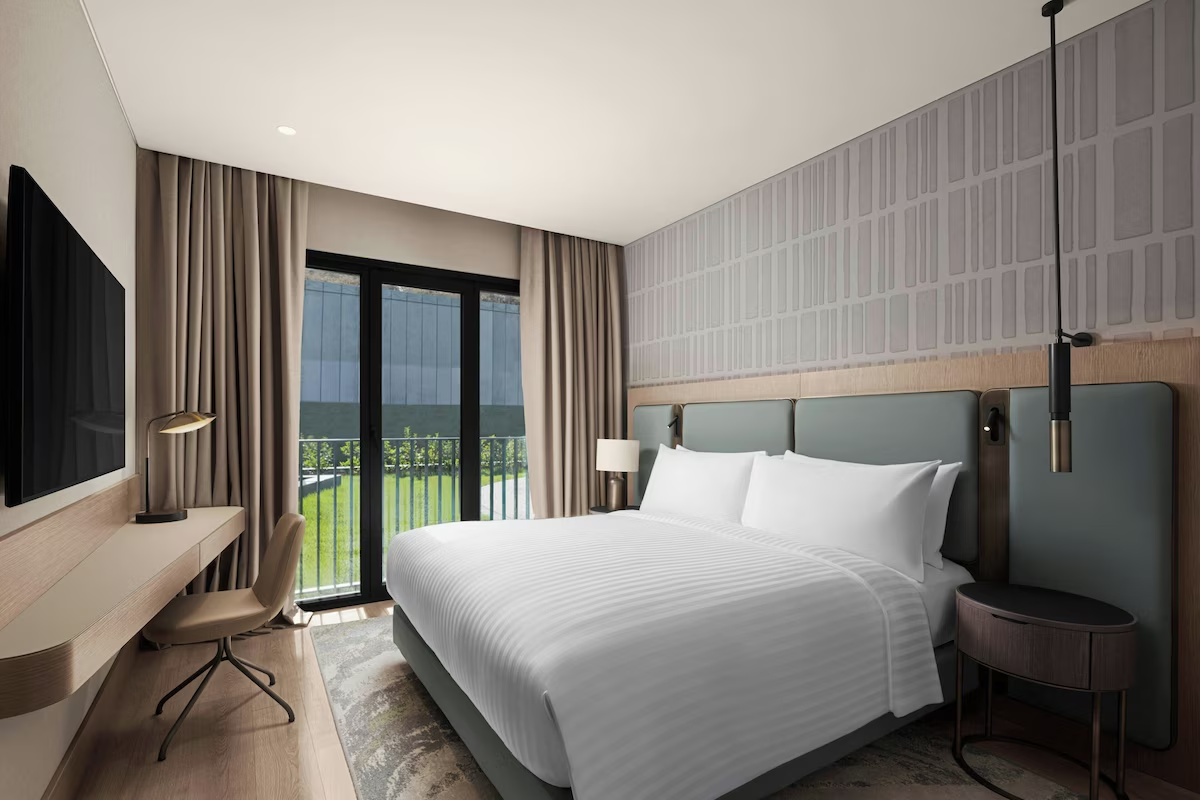
Meets the basic lighting needs of the room. Homogeneous and eye-friendly lighting should be provided with recessed spotlights or indirect lighting.
2. Bedside Lighting
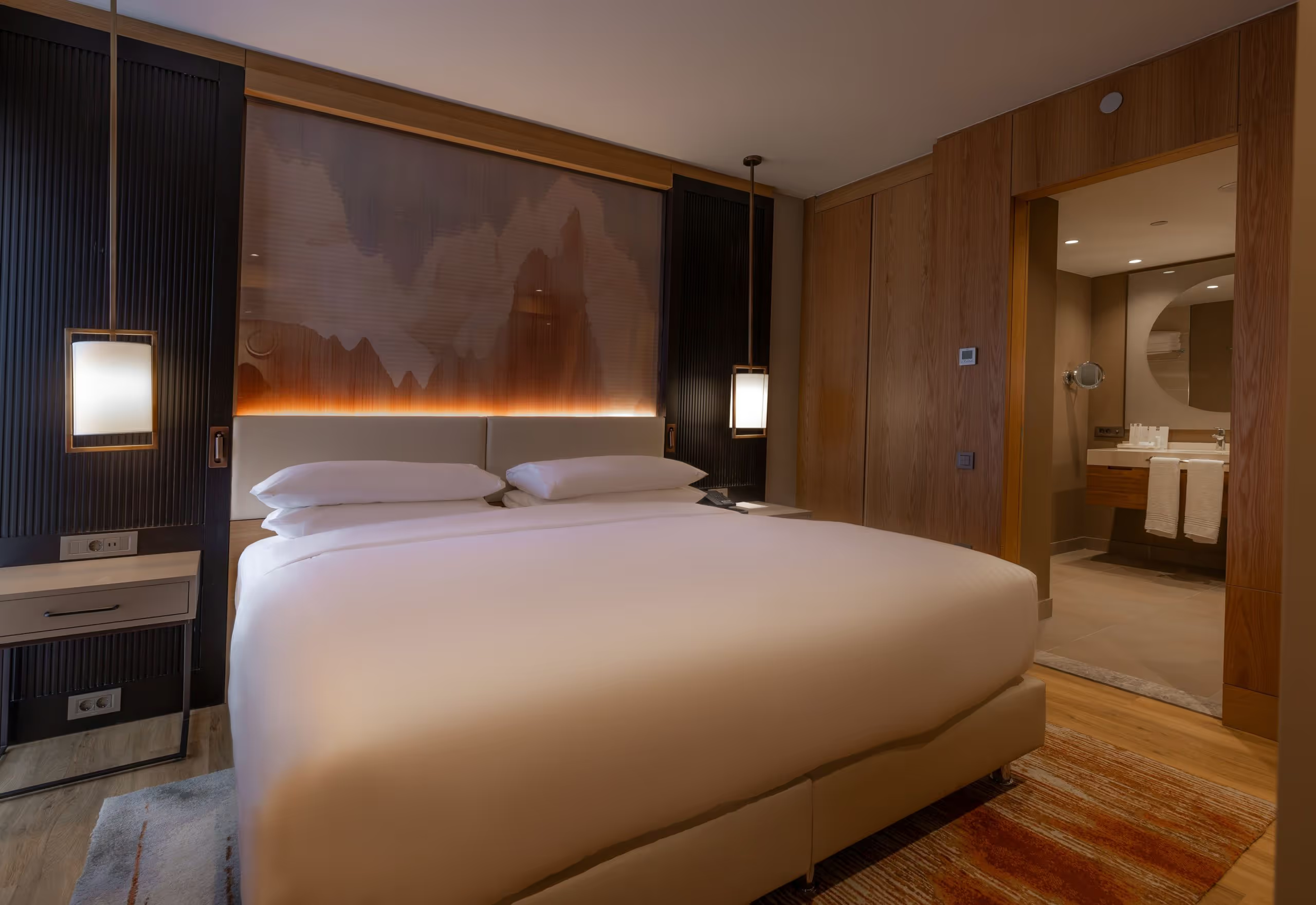
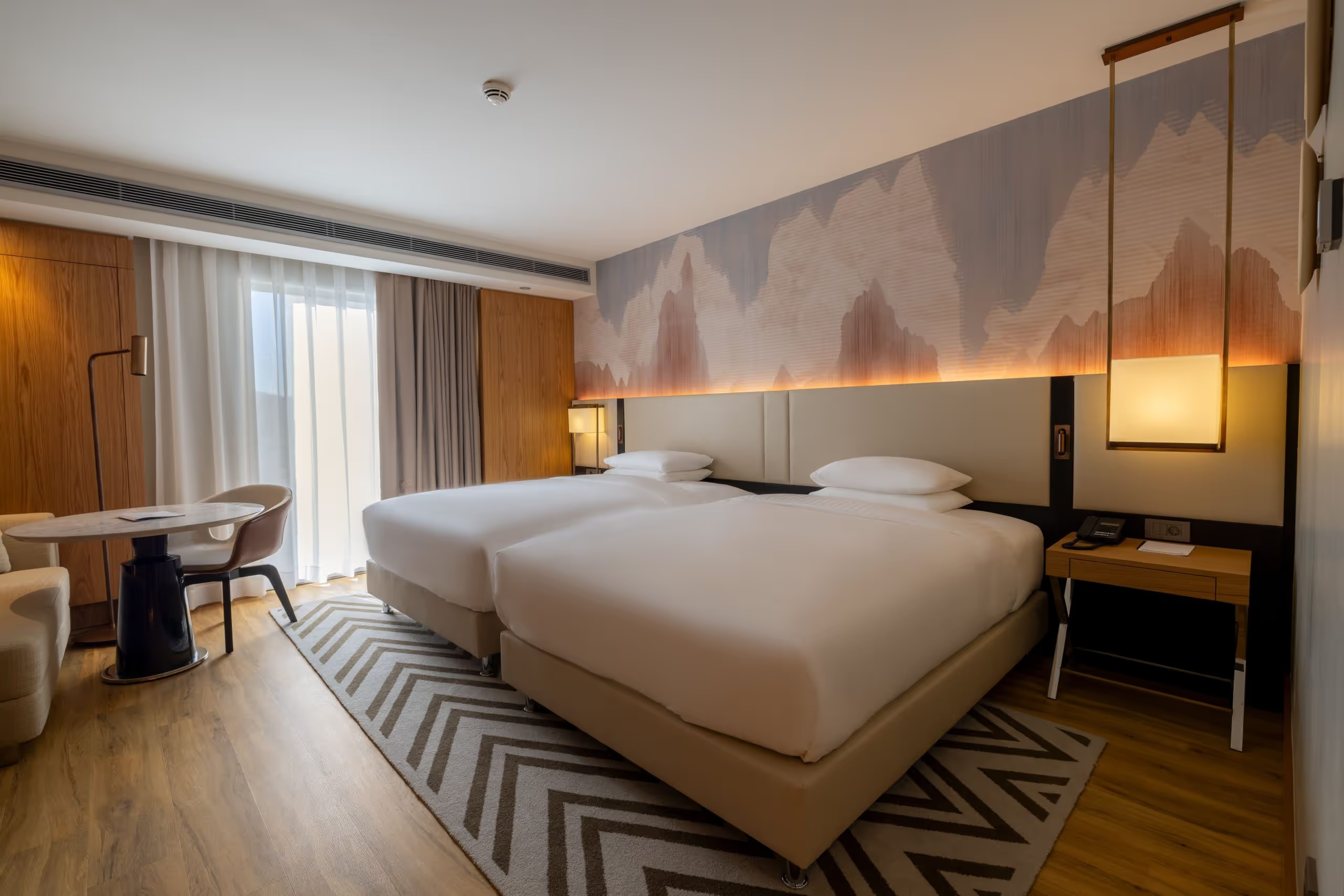
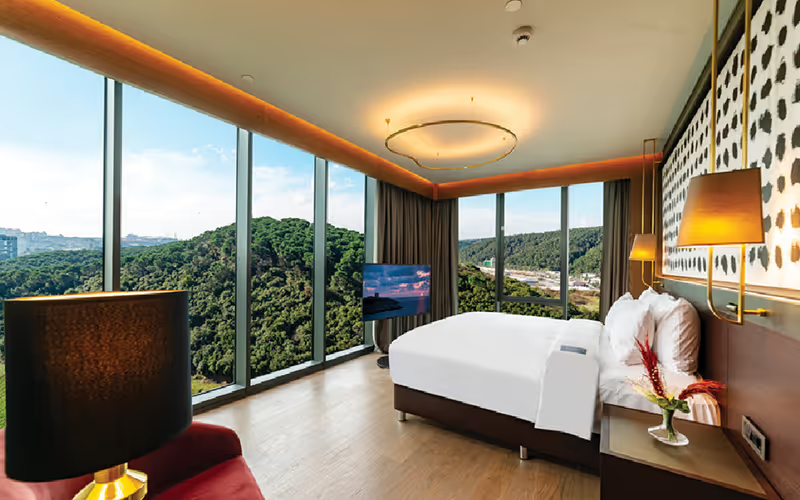
This is one of the most critical lighting points in a hotel room. Reading lamps, wall sconces, adjustable headboards – these lights enhance the guest's personal comfort.
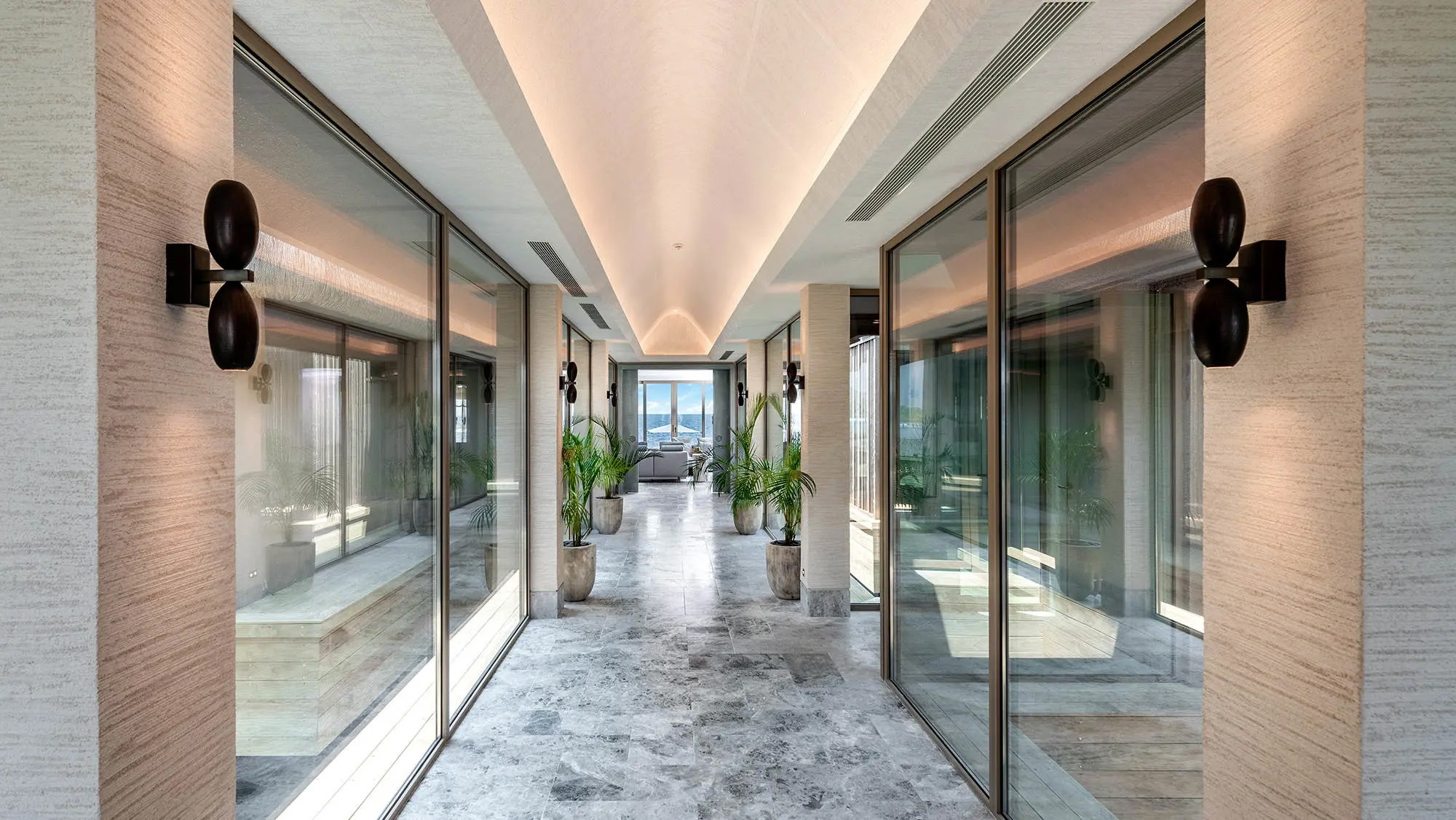
3. Indirect and Hidden Lighting
Hidden LED lighting:
•Adds depth to the room
•Creates a warm and relaxing atmosphere
•Enhances the perception of luxury
It is often preferred in ceiling, behind-curtain, and headboard panels. Color Temperature Selection in Hotel Room Lighting The ideal color temperature in hotel rooms: 2700K – 3000K (warm white) This range creates a restful, soft, and eye-friendly light environment. Cool white lights (4000K and above) reduce the feeling of comfort in hotel rooms and are not preferred. Use of LED Lighting in Hotel Rooms: LED lighting systems have become standard in modern hotel projects.
Advantages of LED lighting:
•Low energy consumption
•Long lifespan
•Reduced maintenance costs
•Sustainability
These features provide a significant operational advantage, especially in multi-room hotel projects.