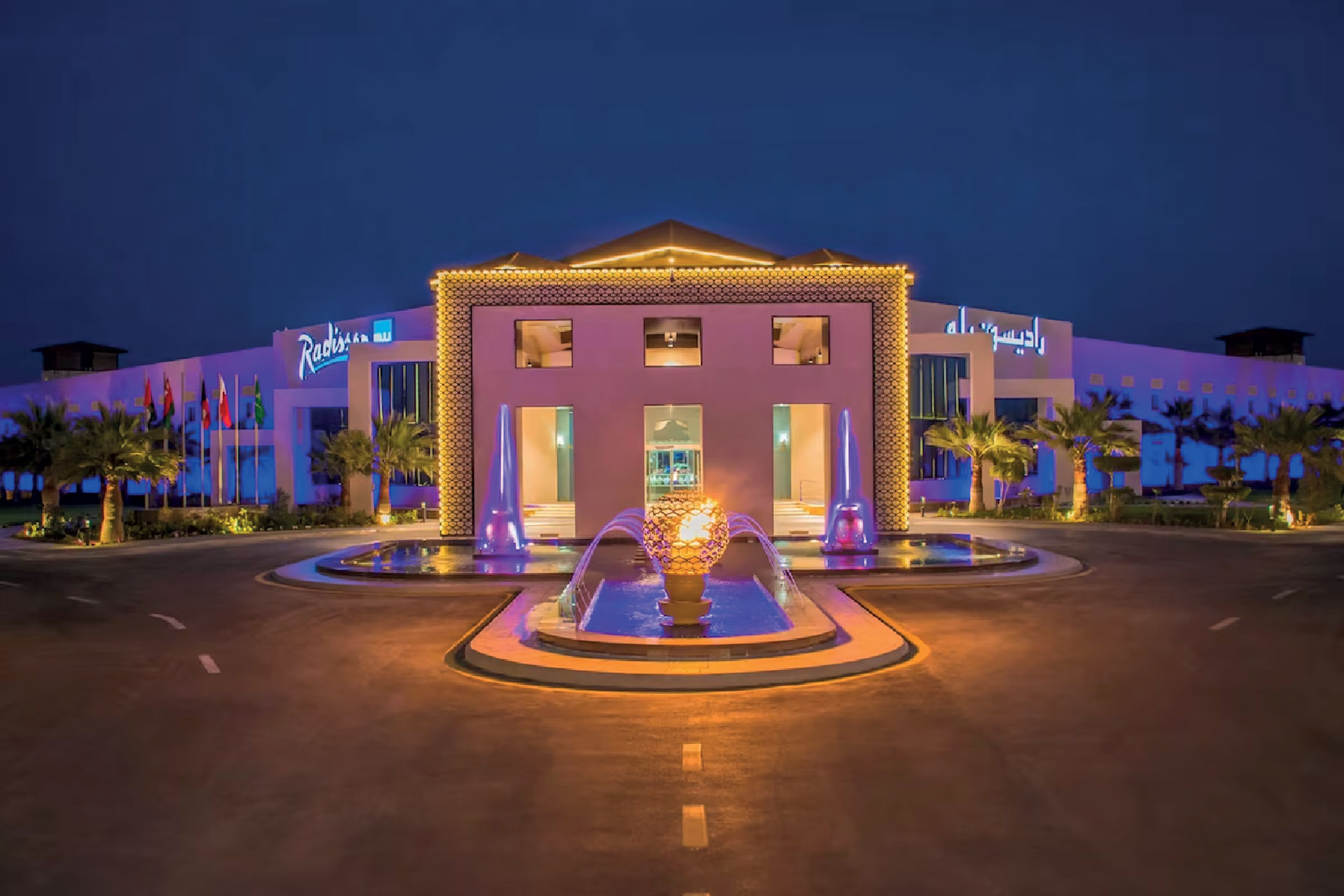
Outdoor lighting is one of the most crucial design elements that enhances a building's nighttime appearance. When used correctly in gardens, terraces, balconies, building entrances, facades, walkways, or hotel outdoor areas, lighting products not only provide an aesthetic look but also offer safe and comfortable use.
However, when choosing outdoor lighting, it's not enough to only consider the product's design. The area of use, weather resistance, light direction, energy efficiency, mounting point, and architectural harmony must all be evaluated together.
So, how do you choose outdoor lighting? What should be considered for garden, terrace, balcony, and facade lighting? In this guide, we cover the essential details you need to know for selecting the right outdoor lighting.
Outdoor lighting isn't just used to make dark areas visible. When planned correctly, it strengthens a building's architectural identity, makes outdoor spaces more functional, and completely transforms the nighttime atmosphere.
Especially in villas, hotels, restaurants, cafes, stores, and commercial projects, outdoor lighting is a crucial detail that shapes the first impression. A building's entrance, garden path, or facade appearance, when supported by the right lighting, is perceived as much more inviting and prestigious.
The main advantages provided by outdoor lighting include:
Therefore, outdoor lighting should not be considered merely a complementary detail of a project, but rather an important part of the architectural design.
Outdoor lighting can be used in different areas for various purposes. Since each area has different needs, product selection should be made accordingly.
The most common outdoor lighting application areas are:
Lighting used in these areas can be chosen for security, guidance, decorative effect, or to create ambiance.
Garden lighting allows outdoor spaces to be enjoyed at night. With proper lighting design, plants, walkways, seating areas, and architectural details achieve a more striking appearance.
The goal of garden lighting is not to illuminate the entire area excessively brightly. Instead, a lighting scheme should be created that highlights specific points, is easy on the eyes, and preserves the natural atmosphere.
Things to consider in garden lighting:
Wall lights, bollards, spotlights, or decorative outdoor lighting used in the garden should be chosen according to the size and purpose of the area.
Terraces and balconies are used for relaxation, dining, or entertaining guests, especially in the evenings. Therefore, lighting in these areas should be both comfortable and decorative.
Choosing warm and soft light for terrace lighting makes the area appear more inviting. Wall sconces, outdoor pendant lights, decorative table lamps, or low-level light sources can enhance the terrace atmosphere.
When choosing terrace and balcony lighting:
While simple and compact wall lights may suffice for small balconies, a richer atmosphere can be created on large terraces with multiple light sources.
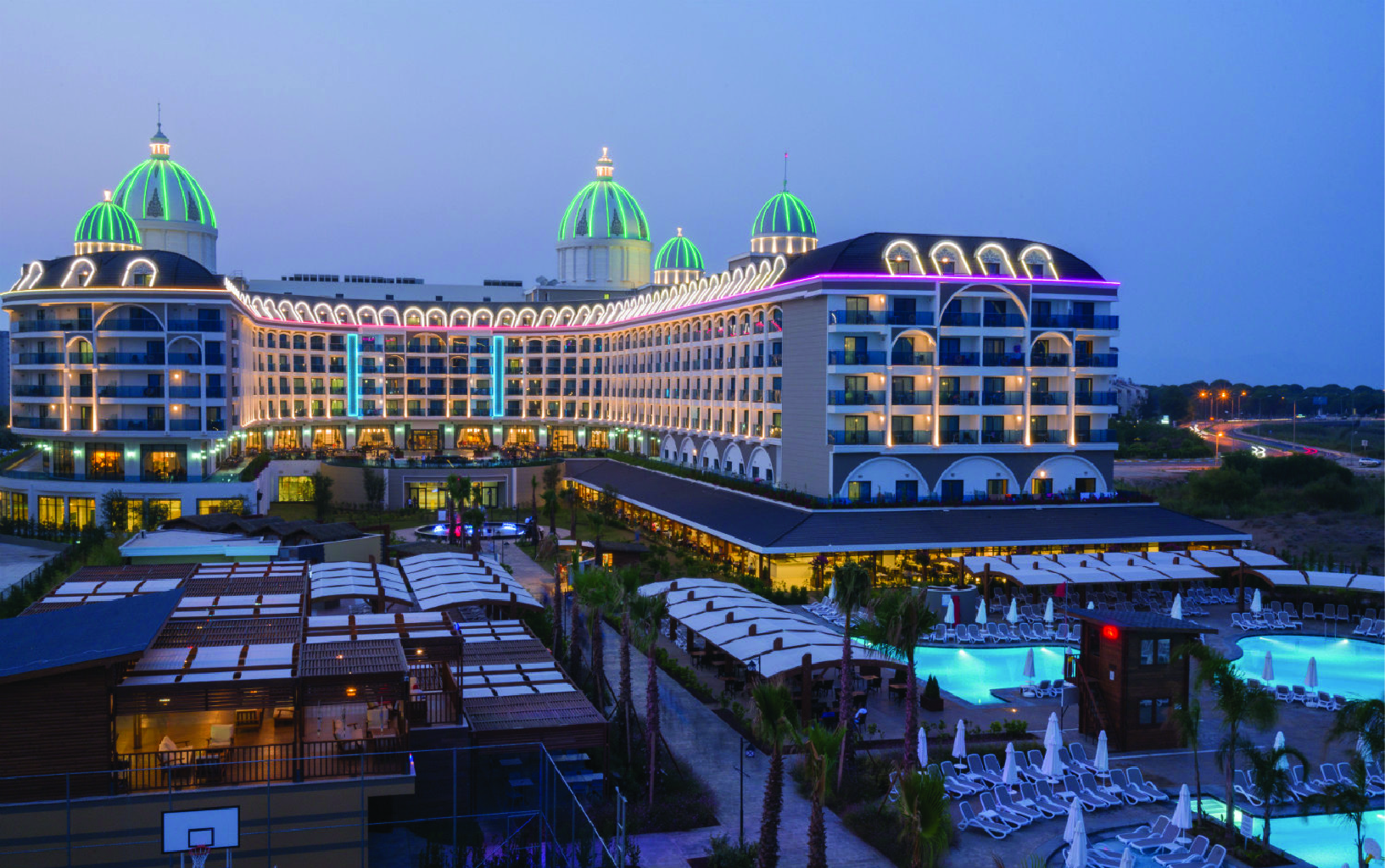
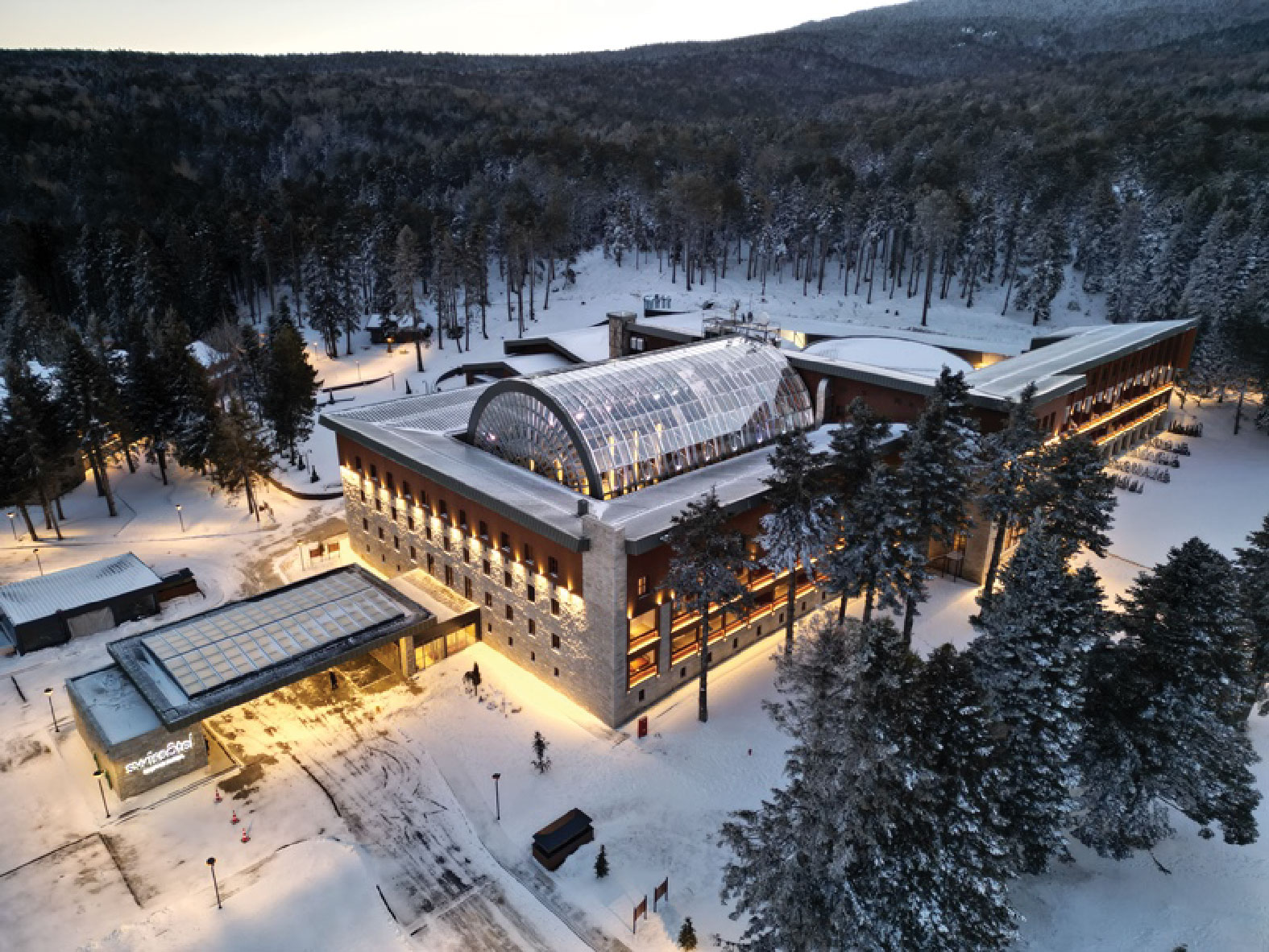
Exterior facade lighting makes a building's architectural character visible at night. Especially for villas, hotels, restaurants, shops, and commercial buildings, facade lighting directly impacts the perception of the building's prestige.
Wall lights, up-down luminaires, or architectural accent lighting used on the facade can highlight the building's form, texture, and design details.
Things to consider for exterior facade lighting:
Properly planned facade lighting gives the building a strong and impressive identity even at night.
Building entrances are one of the most important points of outdoor lighting. The entrance area should be properly lit for both security and first impressions.
Outdoor wall lights used around the door make the entrance appear more inviting. They also play a functional role at night for using keys, finding your way, and ensuring safe passage.
For building entrances:
Especially for villa, apartment, hotel, and restaurant entrances, proper lighting is an important detail that enhances the perception of the venue's quality.
Outdoor wall lights are lighting products mounted on walls and used in open areas. They are frequently preferred in outdoor projects because they offer both decorative and functional use.
Outdoor wall lights can be used in the following areas:
Outdoor wall lights can emit light upwards, downwards, or in both directions. This not only ensures safe passage but also creates a decorative lighting effect on wall surfaces.
Light color directly affects the outdoor atmosphere. Very cold and harsh lights can create an artificial and uncomfortable appearance in outdoor areas. For this reason, warm or natural light tones are generally preferred for gardens, terraces, and villa surroundings.
Warm white light creates a more intimate and inviting atmosphere. It is highly suitable for outdoor seating areas in restaurants, cafes, hotels, and residential projects.
Neutral white light, on the other hand, can be preferred for entrances, walkways, parking lots, or commercial outdoor areas where clearer visibility is desired.
When choosing light color, the following points should be considered:
The right light color ensures that the outdoor space looks both aesthetic and functional.
Outdoor products are exposed to harsher conditions than indoor lighting. Factors such as rain, humidity, wind, sunlight, temperature changes, and dust can affect product durability.
Therefore, the following criteria should be considered when choosing outdoor lighting:
Products used outdoors must be suitable for open-air conditions. Indoor products used outdoors can be damaged quickly and pose a safety risk.
Details such as a metal body, durable coating, and high-quality glass or diffuser ensure the product's longevity. Products suitable for heavy use should be preferred, especially in hotel, restaurant, and commercial projects.
Where the light is directed is very important. Safe passage should be ensured on walkways, architectural details should be highlighted on facades, and a glare-free lighting effect should be created in seating areas.
Outdoor lighting can often remain on for extended periods. Therefore, energy-efficient lighting solutions offer long-term advantages.
Outdoor products should be compatible with the architectural style of the building. Different sconce and lighting models can be chosen for modern, classic, minimalist, or luxurious facades.
For lighting to be effective, it must be mounted at the correct point. Incorrectly positioned products may not provide sufficient light or may cause discomfort to the eyes.
Some mistakes made when planning outdoor lighting can negatively affect both the appearance and comfort of use of the area.
The most common mistakes are:
Avoiding these mistakes creates a safer, more aesthetic, and longer-lasting outdoor lighting system.
Outdoor lighting is an important detail that strengthens brand perception in commercial projects. A hotel's entrance area, a restaurant's outdoor seating section, or a villa's garden surroundings look much more impressive when supported by the right lighting.
In hotel projects, outdoor lighting determines the guest's first impression when approaching the facility. In restaurants and cafes, outdoor area lighting makes the venue look inviting. In villa projects, garden, terrace, and facade lighting increase the aesthetic value of living spaces.
Therefore, outdoor lighting is not just a technical necessity; it is also a design decision that strengthens architectural identity.
Every outdoor space has different needs. Lighting products to be used in gardens, terraces, balconies, facades, building entrances, or commercial open areas must be correctly chosen in terms of design, durability, and functionality.
Lampart offers indoor and outdoor lighting solutions for hotel, villa, restaurant, store, office, and commercial projects. With outdoor wall lights, decorative lighting, and project-specific product options, it creates an aesthetic, safe, and long-lasting lighting experience in open areas.
With the right product selection, outdoor spaces are not just illuminated; they gain a more inviting, safer, and more impressive appearance.
Outdoor lighting directly affects the night appearance and comfort of use of structures. When the right product is chosen for every area, from the garden to the terrace, from the facade to the building entrance, both an aesthetic and safe outdoor space is achieved.
When choosing outdoor lighting, the area of use, product durability, light color, design harmony, and mounting point should be evaluated together. In this way, open areas are not just brought out of darkness; they become a strong and impressive part of the architectural design.