Lighting is one of the most crucial elements determining a space's atmosphere. A well-planned lighting system doesn't just make an area visible; it enhances the space's character, improves user experience, and highlights architectural details. Especially in commercial areas, hotels, restaurants, stores, and offices, professional lighting design directly impacts brand perception.
So, how do you choose the right lighting? Which light should be used for which area? In this guide, we cover the fundamental principles of professional lighting planning.
Lighting is not just a technical necessity; it's also a design element that defines the soul of a space.
With proper lighting:
Especially in commercial areas, a poorly lit environment severely damages the perception of professionalism.
Every space has a different purpose, and consequently, the lighting scenario should also change.
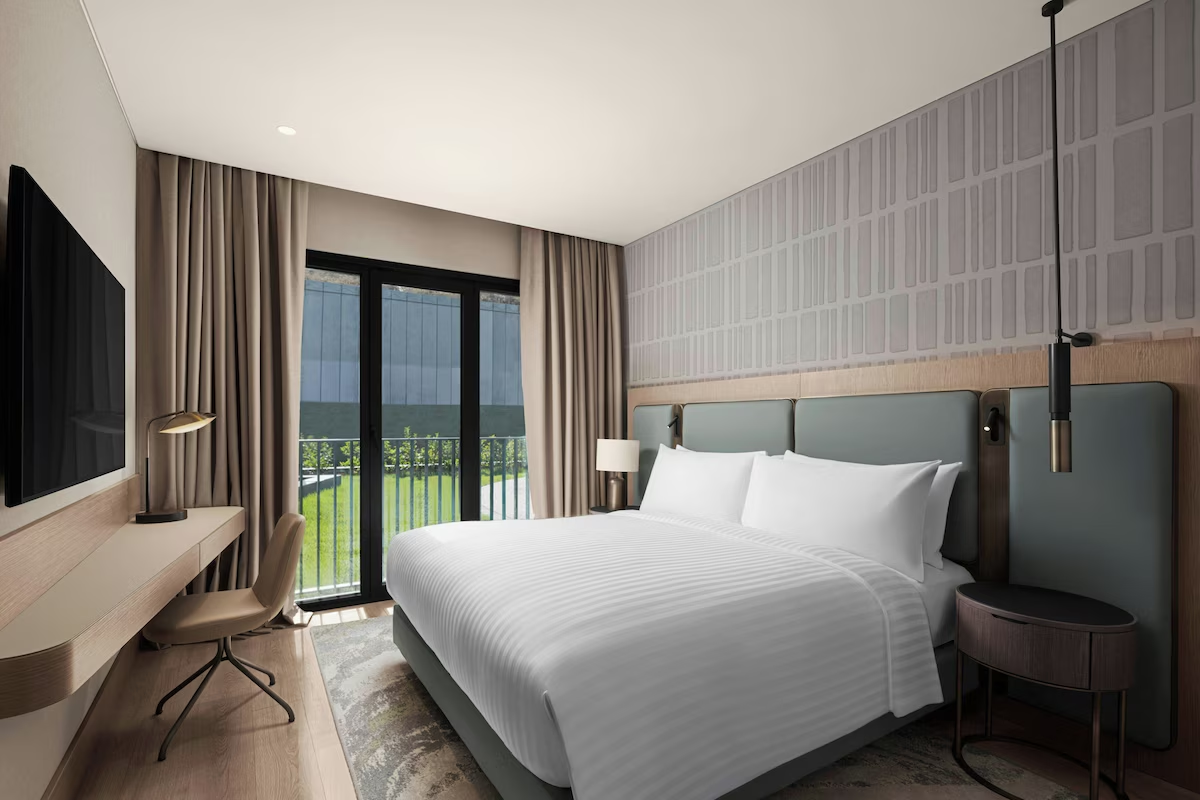
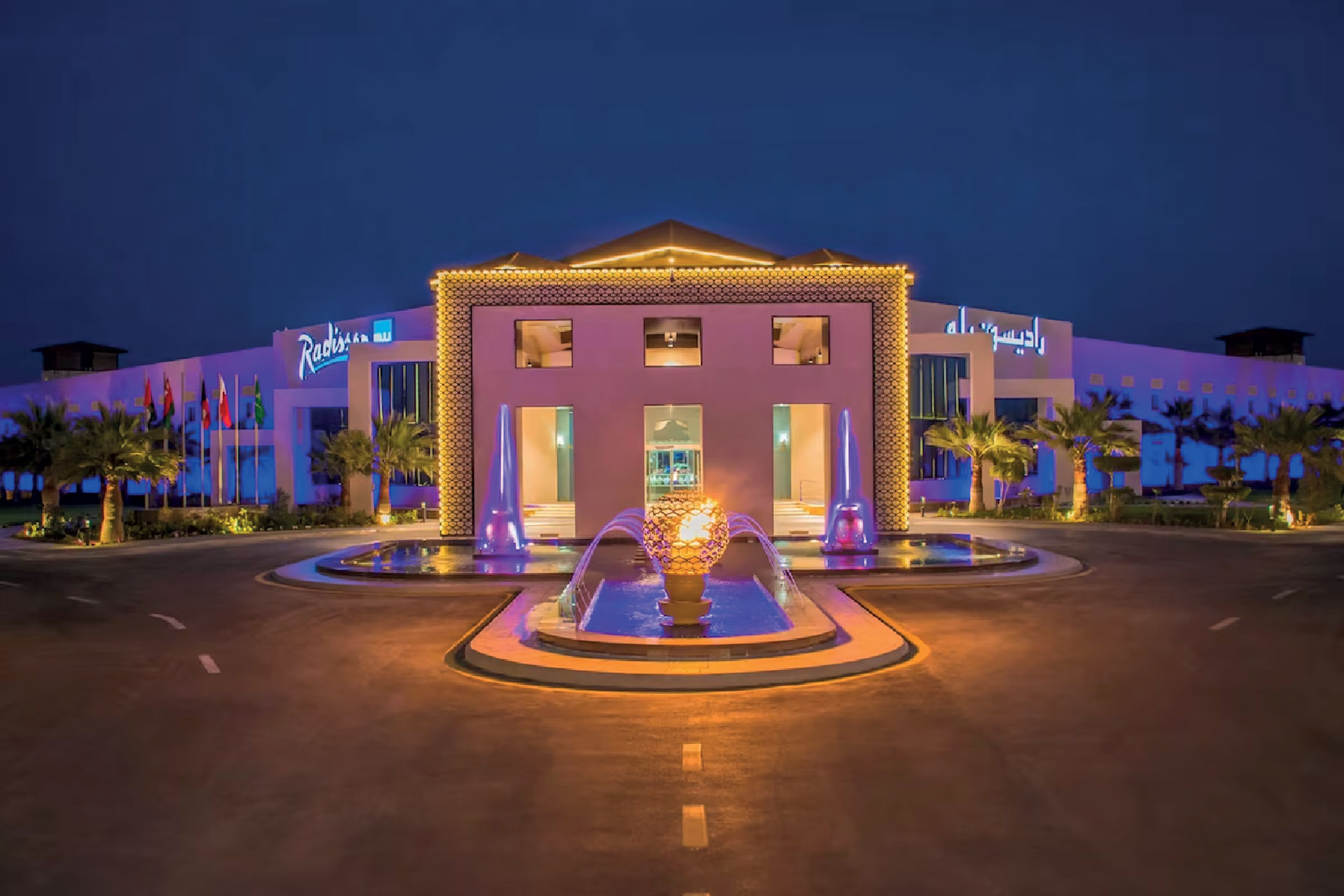
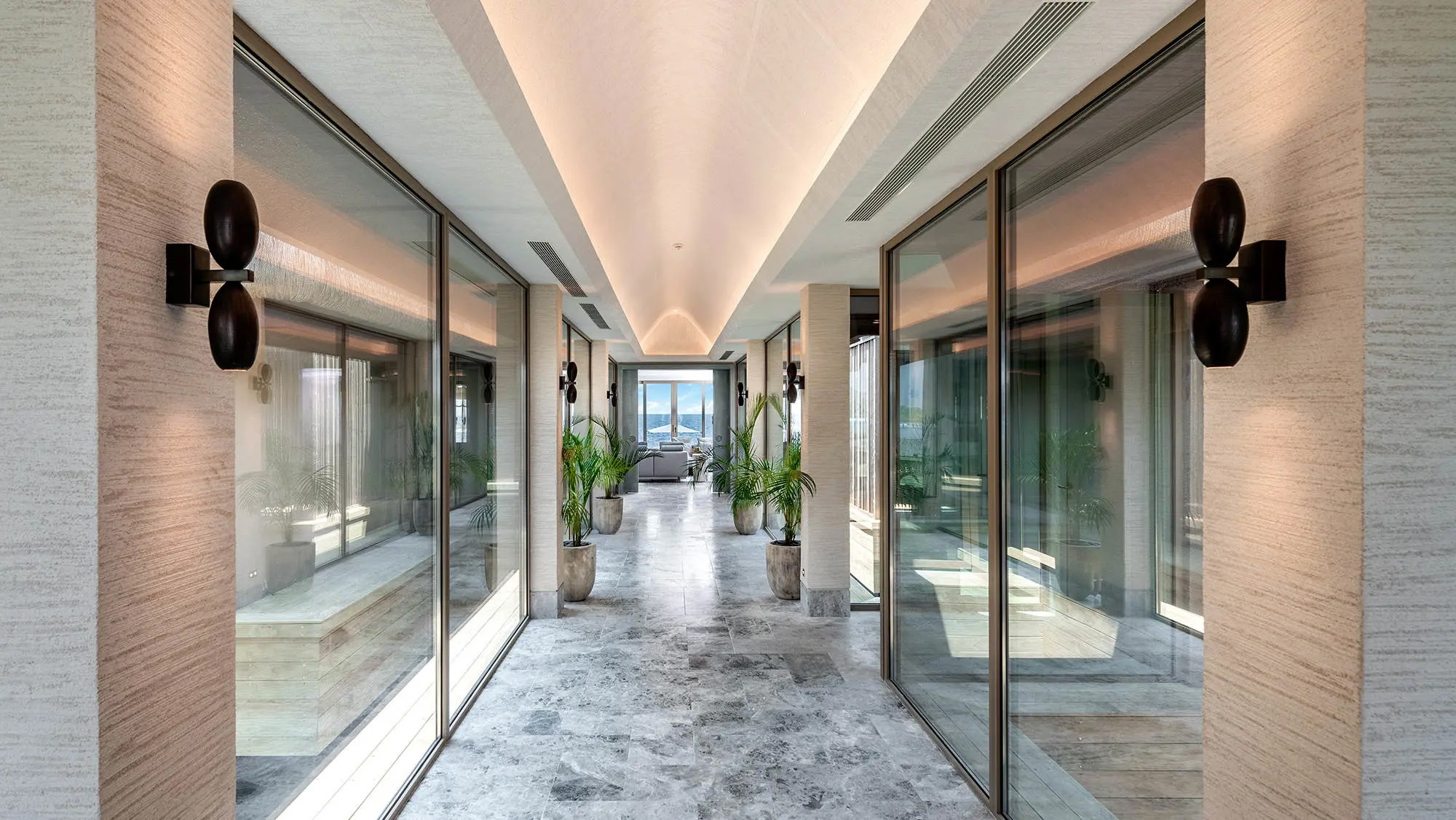
In hotels, the goal is to create comfort, prestige, and a warm atmosphere.
Therefore, typically:
For detailed information about hotel lighting, visit us.
The goal here is to create ambiance.
Visit for detailed information about restaurant and cafe lighting.
The focus is on productivity and eye comfort.
Visit for detailed information about office lighting.
The aim is to highlight the product.
Visit for detailed information about retail lighting.
The color temperature used in lighting completely changes the perception of a space.
Creates a cozy, luxurious, and inviting atmosphere.
Preferred in hotels, restaurants, residential, and lounge areas.
Provides a balanced and modern look.
Ideal for offices, stores, and general use areas.
Provides high attention and clarity.
Used in industrial areas, warehouses, and technical use areas.
A single type of light is not used in successful projects.
Professional lighting is planned in three basic layers:
Meets the basic lighting needs of the space.
Highlights specific objects or architectural details.
Provides aesthetic contribution and becomes part of the design.
Using these three layers together adds depth and professionalism to the space.
Problems frequently encountered in unprofessional applications:
Selecting products without determining the light level according to the area's needs.
Choosing a light tone that is incompatible with the space's concept.
Incorrect angling that disrupts user eye comfort.
Non-uniform light distribution.
Disregarding technical requirements.
Especially in commercial projects, lighting should not be seen merely as a cost item.
Correct lighting:
A well-planned lighting system directly impacts the return on investment.
Every project requires a unique lighting approach tailored to its architectural language, purpose, and brand identity. Professional solutions developed specifically for the project, rather than standard product selection, offer significant advantages in terms of aesthetics, technical performance, and longevity.
As Lampart,
we offer project-specific solutions in these areas.